cropped shot of professional seo manager using tablet and writing notes at workplace

Google Ads vs. SEO: Which Is Right for Your Canadian Small Business?

It’s one of the most common questions Canadian business owners ask when they’re ready to invest in digital marketing: Should I run Google Ads, or should I invest in SEO?

The frustrating (but honest) answer is: it depends. But rather than leaving it there, this article breaks down exactly what each one does, what it costs in the Canadian market, and which one — or which combination — makes sense for your specific situation.

The Real Costs in the Canadian Market

Factor Google Ads SEO
Time to results Immediate (1–3 days) 3–6 months
Monthly spend $500–$5,000+ ad budget + management $500–$2,000+ retainer
Longevity Stops when budget stops Compounds over time
Trust signal Lower (labelled as ad) Higher (organic result)
Best for Launches, promotions, fast leads Long-term growth, brand authority
Competition sensitivity Higher cost in competitive markets Lower cost if done consistently

Which One Should You Choose?

Choose Google Ads if:
  • You need leads within the next 30 days
  • You're launching a new business or new service and have no organic presence
  • You have a clear, high-margin offer with a good conversion rate
  • You're running a time-sensitive campaign (seasonal, event-based)
Choose SEO if:
  • You're thinking 6–24 months ahead and want compounding returns
  • Your offer isn't highly time-sensitive
  • You're in a market where your competitors aren't investing in SEO (Atlantic Canada is full of these)
  • You want to build long-term brand authority and trust
Consider Both if:
  • You have the budget to run Google Ads while SEO builds up organic rankings
  • You want to use Ads data to identify which keywords are actually converting before investing in SEO content
  • You want to dominate both paid and organic positions for your top keywords

The Atlantic Canada Advantage for SEO

In major Canadian metros like Toronto or Vancouver, competitive keywords cost $10–$40 per click on Google Ads, and organic SEO competition is fierce. In Atlantic Canadian markets — Fredericton, Moncton, Saint John, Halifax — the same keywords cost a fraction of the price, and the organic competition is genuinely thin.

This means Atlantic Canada businesses get outsized returns from both channels compared to their counterparts in larger cities. If you invest in SEO now, while the market is still relatively uncontested, you establish positions that become progressively harder for competitors to dislodge.

Not sure which is right for your business?

Book a free digital audit and we'll tell you exactly what the opportunity looks like for your specific market and service.

Film director discussing movie plan with the actors in the office scene. Lights pointing to the actors

How Corporate Video Production Wins Clients in Canada

If you had to make a list of things Canadian business owners consistently underprioritise in their marketing, video would be near the top.

The evidence for video’s effectiveness is overwhelming. Visitors who watch a video on a website homepage stay 88% longer on average. Landing pages with video convert at significantly higher rates than those without. And in B2B purchasing decisions — where buyers research extensively before reaching out — a well-produced company video can be the deciding factor between you and a competitor.

And yet, most Canadian SMBs either have no video presence at all, or they have a shaky iPhone recording from a trade show three years ago.

This article explains what professional corporate video actually does for your business, what types to prioritise, and why now is the right time to invest.

What Corporate Video Actually Does

There's a tendency to think of video as a 'nice to have' — a prestige marketing tool that large companies use to look impressive. That framing misses the functional reality of what video does in the buyer's journey:

It accelerates trust

When a potential client lands on your website, they're making a rapid series of judgements: Is this business legitimate? Do I like these people? Do they understand my problem? A 90-second company video answers all three of those questions faster than any written content can.

It reduces sales friction

A professional video explaining your service, your process, and your results means your sales team (or you) spends less time on introductory calls explaining the basics. The video does that work in advance.

It compounds across channels

A single well-produced video becomes your website homepage asset, your LinkedIn content, your YouTube presence, your email signature, your trade show display, and your social media posts. The production cost is a one-time investment that delivers value across every channel simultaneously.

Video and SEO: The Connection Most Businesses Miss

Google owns YouTube. Pages with embedded video rank better on average than equivalent pages without video. A YouTube video with proper optimisation (title, description, tags, transcript) can appear in both YouTube search and Google search — giving you two opportunities to be found for the same keyword.

For Atlantic Canadian businesses where local SEO competition is relatively thin, a properly optimised local-focused video ('web design services Fredericton' or 'best accounting firm Halifax') can produce search rankings that pure text content would take much longer to achieve.

What Should a Canadian SMB Invest in Video Production?

Professional corporate video production in Canada typically ranges from $2,000 to $15,000+ depending on length, locations, crew size, and post-production complexity. A well-produced 90-second brand video for an SMB can be done professionally in the $3,000–$6,000 range.

The question to ask isn't 'is that expensive?' — it's 'what is one new client worth to my business?' For most Canadian B2B companies, a single new client is worth $5,000–$50,000+. A video that helps close even one additional deal pays for itself immediately.

Optume produces corporate video, brand storytelling, and NGO impact films across Canada

If you're ready to add video to your digital presence, let's talk.

young man with whiskey and pile of cash using laptop

The Hidden Cost of Neglecting Your Business Website (And How to Fix It)

Most Canadian business owners spend real money building their website — and then treat it like a filing cabinet. It gets set up, filled with content, and left alone. Updates pile up. Plugins go unpatched. The theme falls out of date. Backup systems lapse.

And nothing obvious happens. Until it does.

This article is about the real, quantifiable cost of website neglect — and why a monthly maintenance plan is one of the highest-ROI investments a Canadian SMB can make.

What 'Website Neglect' Actually Looks Like

Neglect doesn't usually look like a broken website. It looks like:

  • A site that loads slowly because its plugins and PHP version haven't been updated in two years
  • A site that's been quietly blacklisted by Google because a compromised plugin injected spam links
  • A contact form that stopped working three months ago because an API token expired — and nobody noticed
  • A site where the SSL certificate lapsed and visitors now see a 'Not Secure' warning before they even read your homepage
  • A Google Analytics setup that hasn't tracked anything accurate since a botched plugin update

One Canadian restaurant owner discovered their online reservation form had been broken for six weeks — only after a regular customer mentioned they’d tried to book and given up. Six weeks of lost bookings, zero warning signs.

What a Website Maintenance Plan Should Include

A proper monthly care plan for a Canadian SMB website typically covers:

  • WordPress core, plugin, and theme updates (tested before applying)
  • Offsite daily or weekly backups stored securely
  • Uptime monitoring with alerts
  • Security scanning and malware removal
  • Core web vitals monitoring (speed, layout shift, first input delay)
  • Form and link testing
  • Monthly reporting on site health

What Does Website Maintenance Cost in Canada?

A professional maintenance plan from a Canadian agency typically runs $100–$500/month depending on the complexity of your site and what's included. That compares to emergency repair costs that regularly run $500–$3,000 per incident — before you account for the business you lose while the site is down or broken.

The math is not complicated.

Optume's website care plans keep your Canadian business site fast, secure, and fully functional

So you never lose a lead to a broken form or a Google penalty.

seo-planning-and-strategy-concept-with-gears-2026-03-10-01-06-48-utc-1024x683

Why Every Atlantic Canada Business Needs Local SEO (And Most Are Missing It)

Here’s a scenario that plays out dozens of times a day across Atlantic Canada: A potential customer in Fredericton types ‘best SEO Services near me‘ into Google. Your business has been operating for ten years. You have happy clients and good reviews from people who already know you.

And you don’t appear anywhere in the results.

Instead, a competitor who started two years ago — but who has a properly optimised Google Business Profile and a website Google can actually read — shows up at the top of the page.

This is the local SEO gap. And it’s costing Atlantic Canadian businesses real customers, every single day.

What Is Local SEO and Why Does It Matter Here?

Local SEO is the process of optimising your online presence to appear in geographically relevant search results. When someone searches for 'electrician Halifax' or 'web design Moncton,' Google uses local SEO signals to decide who shows up in the map pack and the top organic results.

The reason it matters more in Atlantic Canada than in, say, Toronto or Calgary? Competition is lower. In most Atlantic Canadian cities, the businesses ranking on page one of Google aren't there because they're the best — they're there because they're the only ones who bothered to optimise.

In most Atlantic Canadian markets, you don’t need to outrank the world. You just need to outrank the 3–5 businesses in your city who are paying attention to SEO. That bar is surprisingly low right now.

The 5 Local SEO Signals That Matter Most

The New Brunswick Bilingual Advantage

If your business operates in New Brunswick — particularly in Greater Moncton, Dieppe, or Shediac — French-language SEO is a genuine competitive differentiator. The majority of businesses in this region are targeting English-only searches. A bilingual website with French content and French keywords captures a significant segment of the market that most of your competitors are completely ignoring.

How Long Does Local SEO Take to Work?

In most Atlantic Canadian markets, businesses with a clean technical foundation and consistent optimisation effort start seeing measurable movement within 60–90 days. Meaningful traffic and lead generation typically follows at the 3–6 month mark. This is significantly faster than what you'd expect in Toronto or Vancouver — which is one of the real advantages of being in a less saturated market.

Want to know exactly where you stand in local search?

Optume offers a free digital audit for Atlantic Canadian businesses. We'll show you what Google sees when it looks at your business — and what to fix first.

pexels-photo-3184302

The Power of Storytelling in Web Design

Storytelling is a powerful tool that can connect with users on an emotional level. In the realm of web design, harnessing the art of storytelling can elevate your brand’s online presence and forge deeper connections with your audience. Here’s how web design can be used to tell a brand’s story, leveraging visuals, content hierarchy, and calls to action to create captivating experiences.

Crafting a Compelling Narrative: Setting the Scene

Brand Storytelling Illustration

At the heart of effective storytelling in web design lies a compelling narrative. Craft a narrative that resonates with your audience’s values, aspirations, and emotions. Whether it’s the story of your brand’s inception, the journey of your products from concept to creation, or the testimonials of satisfied customers, a well-crafted narrative forms the foundation of your web design strategy.

Visual Storytelling: Painting Pictures with Pixels

Visual Storytelling Graphic

Visuals play a crucial role in storytelling, capturing attention and conveying emotions in an instant. Incorporate visuals that complement your narrative and evoke the desired emotional response. From captivating imagery and videos to thoughtfully designed graphics and illustrations, each visual element should contribute to the overall storytelling experience. Consider the use of color psychology and visual hierarchy to guide users through your website’s narrative journey.

Content Hierarchy: Guiding the Narrative Flow

Content Hierarchy Diagram

In a world inundated with information, effective content hierarchy is essential for guiding users through your brand’s story. Organize your content in a logical and intuitive manner, prioritizing key messages and storytelling elements. Use headings, subheadings, and bullet points to break up content and make it easier to digest. By structuring your content hierarchy effectively, you ensure that users can navigate your website seamlessly and engage with your brand’s story effortlessly.

Emotive Language: Stirring Hearts and Minds

Emotive Language Icon

Words have the power to evoke emotions, inspire action, and leave a lasting impression. Use emotive language that resonates with your audience and reinforces your brand’s narrative. From compelling headlines and persuasive calls to action to engaging storytelling copy, every word should contribute to the overarching narrative of your website. Consider the tone, voice, and language style that best reflects your brand’s personality and connects with your target audience on a deeper level.

Interactive Elements: Engaging Users in the Story

Interactive Elements Illustration

Interactive elements add depth and interactivity to your brand’s storytelling experience. Incorporate interactive features such as quizzes, surveys, and interactive timelines to engage users and invite them to participate in your brand’s story. By providing opportunities for user interaction, you create a more immersive and memorable experience that encourages users to invest in your brand’s narrative journey.

User Experience: Seamlessly Navigating the Story

User Experience Icon

A seamless user experience is essential for guiding users through your brand’s story effortlessly. Design your website with user-centric navigation and intuitive interfaces that enhance the storytelling experience. Prioritize usability and accessibility, ensuring that users can navigate your website with ease across devices and screen sizes. By removing friction points and optimizing the user experience, you create a seamless journey that keeps users engaged and invested in your brand’s narrative.

Calls to Action: Inviting Users to Become Part of the Story

Calls to Action Illustration

Calls to action (CTAs) are the gateway to action, inviting users to take the next step in your brand’s narrative journey. Craft compelling CTAs that encourage users to become active participants in your story. Whether it’s signing up for a newsletter, exploring your product offerings, or sharing their own experiences, CTAs should prompt users to engage further with your brand. Use persuasive language and strategic placement to maximize the effectiveness of your CTAs and guide users towards desired actions.

Feedback and Iteration: Evolving the Story Over Time

Feedback and Iteration Graphic

The storytelling journey doesn’t end with the launch of your website—it evolves over time based on user feedback and insights. Gather feedback from users and analyze website metrics to understand how your brand’s story is resonating. Use this feedback to iterate and refine your storytelling strategy, making adjustments to visuals, content, and user experience to better align with user preferences and expectations. By continuously evolving your brand’s story, you ensure that it remains relevant, compelling, and impactful in the eyes of your audience.

AI-for-agencies

Make AI Your Partner, Not a Threat to Your Agency. Here’s How!

Artificial Intelligence (AI) is often viewed with skepticism, especially in the creative industries. However, when embraced correctly, AI can be a powerful ally for agencies, enhancing efficiency, creativity, and client satisfaction. Let’s explore how agencies can make AI their partner rather than seeing it as a threat.

Understanding the Role of AI in Agencies

AI is not here to replace agency professionals but to augment their capabilities. Understanding the role of AI is crucial for agencies to leverage its potential effectively. AI can automate repetitive tasks, analyze data to uncover insights, and even assist in creative ideation. By embracing AI as a complementary tool rather than a replacement, agencies can unlock new opportunities for growth and innovation.

AI can streamline workflows, improve decision-making processes, and provide valuable insights into client preferences and market trends. By harnessing the power of AI-driven analytics, agencies can gain a competitive edge in delivering data-driven strategies and solutions. With AI as a partner, agencies can enhance their offerings, drive better results for clients, and stay ahead of the curve in a rapidly evolving digital landscape.

Embracing AI-Powered Creativity

Contrary to popular belief, AI can enhance creativity rather than stifle it. Embracing AI-powered creativity opens up new possibilities for agencies to push the boundaries of innovation. AI tools can assist in generating ideas, refining designs, and even predicting consumer trends. By collaborating with AI, agencies can unlock new levels of creativity and produce compelling content that resonates with audiences.

AI can analyze vast amounts of data to identify patterns and insights that human creativity alone may overlook. By leveraging AI-driven insights, agencies can tailor their creative strategies to better align with audience preferences and market demands. From personalized content recommendations to dynamic ad targeting, AI empowers agencies to deliver more impactful and relevant campaigns that drive results.

Enhancing Efficiency with AI Automation

In an industry where time is of the essence, AI automation can revolutionize agency workflows and processes. By automating routine tasks such as data entry, scheduling, and reporting, agencies can free up valuable time and resources to focus on high-value activities. AI-powered automation tools can streamline project management, optimize resource allocation, and improve overall productivity.

AI can analyze vast datasets and provide actionable insights in real-time, enabling agencies to make data-driven decisions with confidence. By automating repetitive tasks, agencies can reduce human error, minimize operational costs, and accelerate project timelines. With AI as a trusted partner, agencies can work smarter, not harder, and deliver exceptional results for their clients.

Personalizing Client Experiences with AI

In an era of hyper-personalization, AI can play a pivotal role in delivering tailored experiences for clients. By analyzing customer data and behavior patterns, AI can identify individual preferences and anticipate needs, enabling agencies to create personalized strategies and campaigns that resonate on a deeper level. From customized content recommendations to targeted marketing messages, AI-powered personalization can drive higher engagement and conversion rates.

AI can analyze customer interactions across multiple channels and touchpoints, allowing agencies to deliver seamless omnichannel experiences. By leveraging AI-driven personalization, agencies can strengthen client relationships, foster loyalty, and drive long-term business growth. With AI as a partner, agencies can create meaningful connections with their clients and deliver value at every stage of the customer journey.

Improving Decision-Making with AI Insights

In today’s fast-paced business environment, timely and informed decision-making is crucial for agency success. AI insights can provide agencies with valuable data-driven intelligence to guide strategic planning, optimize campaigns, and capitalize on emerging trends. By analyzing vast amounts of data in real-time, AI can uncover actionable insights that empower agencies to make informed decisions with confidence.

AI-driven insights can help agencies identify market opportunities, anticipate competitive threats, and adapt their strategies accordingly. By leveraging AI insights, agencies can stay ahead of the curve and maintain a competitive edge in a rapidly evolving industry landscape. With AI as a trusted advisor, agencies can make smarter decisions, drive better outcomes for clients, and achieve sustainable growth.

Mitigating Bias in Decision-Making with AI

Bias can inadvertently creep into decision-making processes, leading to suboptimal outcomes and missed opportunities. AI can help agencies mitigate bias by providing impartial and data-driven insights. By analyzing diverse datasets and removing subjective biases, AI can uncover hidden patterns and trends that may not be apparent to human decision-makers.

AI can assist agencies in making fair and objective decisions, ensuring that all stakeholders are treated equitably. By leveraging AI to mitigate bias, agencies can enhance transparency, accountability, and trust in their decision-making processes. With AI as a partner, agencies can uphold ethical standards and deliver outcomes that are truly impartial and unbiased.

Scaling Operations with AI Scalability

As agencies grow and expand their operations, AI scalability becomes increasingly important to accommodate growing demands. AI-powered solutions can scale dynamically to handle large volumes of data, complex tasks, and fluctuating workloads. By leveraging cloud-based AI platforms and services, agencies can scale their operations seamlessly without compromising performance or efficiency.

AI scalability enables agencies to adapt to changing market conditions, client needs, and industry trends with agility and flexibility. By harnessing the power of scalable AI solutions, agencies can future-proof their operations and position themselves for long-term success. With AI as a scalable partner, agencies can confidently pursue growth opportunities and expand their capabilities to meet evolving client demands.

Building Trust with Transparent AI

Trust is the foundation of any successful agency-client relationship. Transparent AI practices can help agencies build trust with clients and stakeholders. By providing visibility into AI algorithms, data sources, and decision-making processes, agencies can instill confidence in the reliability and integrity of AI-driven solutions.

Transparent AI fosters accountability and fosters trust between agencies and their clients. By adopting transparent AI practices, agencies can demonstrate their commitment to ethical principles, data privacy, and responsible AI usage. With transparent AI as a guiding principle, agencies can build stronger, more resilient partnerships and drive positive outcomes for clients and stakeholders alike.

Nurturing AI Talent and Expertise

In an AI-driven world, nurturing AI talent and expertise is essential for agency success. By investing in training programs, upskilling initiatives, and talent development efforts, agencies can cultivate a skilled workforce capable of harnessing the full potential of AI. From data scientists and AI engineers to UX designers and digital marketers, AI talent is in high demand across all disciplines.

Nurturing AI talent enables agencies to stay ahead of the curve and remain competitive in a rapidly evolving landscape. By fostering a culture of continuous learning and innovation, agencies can attract top talent, retain key employees, and drive organizational growth. With AI expertise at their disposal, agencies can tackle complex challenges, drive innovation, and deliver transformative results for clients.

Embracing Collaboration with AI Partnerships

No agency is an island, and collaboration with AI partners can unlock new opportunities for innovation and growth. By forming strategic partnerships with AI vendors, technology providers, and industry experts, agencies can access cutting-edge AI solutions, tools, and resources that enhance their capabilities and expand their service offerings.

AI partnerships enable agencies to tap into specialized expertise, gain access to proprietary technologies, and stay at the forefront of AI innovation. By collaborating with AI partners, agencies can leverage shared knowledge, resources, and networks to drive mutual success. With AI partnerships as a cornerstone of their strategy, agencies can accelerate innovation, deliver value-added services, and achieve sustainable growth in the digital age.


blog4

Need for Speed: Turbo Tips for Lightning-Fast Website Loading

In the dynamic realm of the digital landscape, establishing a robust online presence demands a nuanced understanding of search engine optimization (SEO) and lead generation strategies. Whether you’re a seasoned webmaster or embarking on your digital journey, the following comprehensive guide addresses ten pivotal questions individuals often pose about elevating website traffic and generating organic leads. Each inquiry is unpacked with detailed insights, practical examples, and code snippets where applicable, providing you with a thorough understanding of the intricacies involved.

Article Summary Table

QuestionKey Insights
1. How to optimize my website for search engines?Conduct keyword research, integrate keywords into content, meta tags, and use HTML heading tags. Optimize images with descriptive alt text.
2. What role does content play in driving organic traffic?Regularly update with high-quality content, diversify with media, and encourage social sharing. Embed videos and make content shareable.
3. How important is website speed in SEO and lead generation?Optimize images, leverage browser caching, and use CDNs to improve website speed. Monitor performance with tools like Google’s PageSpeed Insights.
4. What role do backlinks play in organic lead generation?Backlinks are crucial for SEO and credibility. Earn high-quality backlinks through guest posting and shareable content. Regularly monitor and disavow toxic links.
5. How can social media contribute to website traffic and leads?Actively share content on relevant platforms, engage with the audience, and utilize social media advertising. Encourage social sharing for increased visibility.
6. What are the benefits of using long-tail keywords in content?Long-tail keywords attract niche audiences. Incorporate them naturally into content for better targeting. Use tools like Ubersuggest or Ahrefs for keyword research.
7. How can I improve the user experience on my website?Ensure mobile-friendliness, easy navigation, and an appealing design. Optimize layout and design, and streamline conversion processes with clear CTAs.
8. Is it important to have a mobile-responsive website for SEO?Yes, Google prioritizes mobile-friendly sites. Use responsive design principles to adapt to different devices and screen sizes.
9. How can I leverage email marketing to drive website traffic?Build a subscriber list, send personalized emails with clear CTAs, and utilize compelling subject lines. Segment and personalize emails for better engagement.
10. What analytics tools can help track website traffic and performance?Use Google Analytics to track user behavior, traffic sources, and KPIs. Implement event tracking for specific actions on your site. Use the insights for data-driven decision-making.


1. How can I optimize my website for search engines?

SEO Optimization Process

To initiate your journey into SEO, meticulous keyword research is paramount. Utilize tools like Google Keyword Planner or SEMrush to identify relevant terms in your industry. Incorporate these keywords organically into your content, meta titles, and descriptions. The HTML code snippet below demonstrates effective keyword integration:

				
					<p>Optimize your website for search engines by incorporating relevant keywords.</p>


Additionally, structure your content with HTML heading tags (<h1>, <h2>, etc.) to enhance readability and signal content hierarchy to search engines.

When optimizing images, ensure descriptive alt text is added:

				
					<img decoding="async" src="example.jpg" alt="Descriptive text about the image" title="Need for Speed: Turbo Tips for Lightning-Fast Website Loading 10">


This strategic approach lays the foundation for improved search engine visibility.

2. What role does content play in driving organic traffic?

Content Creation Strategy

Compelling content serves as the lifeblood of a successful website. Regular updates with high-quality, relevant content such as blog posts and articles are essential. Diversify your content by incorporating engaging media like images and videos. For example, embed a video seamlessly:

				
					<iframe width="560" height="315" src="https://www.youtube.com/embed/example" frameborder="0" allowfullscreen></iframe>


Facilitate social sharing by adding buttons and encouraging readers to share valuable content. This not only enhances your reach but also contributes to valuable backlinks.

3. How important is website speed in SEO and lead generation?

Website speed is a critical factor influencing user experience and SEO rankings. A slow-loading site can lead to higher bounce rates and diminished search engine rankings. Optimize images, leverage browser caching, and employ Content Delivery Networks (CDNs) to enhance load times. The following code snippet exemplifies optimizing images with alt text:

				
					<img decoding="async" src="example.jpg" alt="Descriptive text about the image" title="Need for Speed: Turbo Tips for Lightning-Fast Website Loading 10">


Tools like Google’s PageSpeed Insights offer valuable guidance on further improvements.

4. What role do backlinks play in organic lead generation?

Backlinks are the currency of online credibility. Earning high-quality backlinks from reputable websites in your industry is paramount. Employ strategies such as guest posting and creating shareable content. Regularly monitor your backlink profile using tools like Moz or Ahrefs, addressing toxic links promptly to maintain a healthy link profile.

5. How can social media contribute to website traffic and leads?

Social media platforms serve as dynamic channels for driving traffic and generating leads. Actively share your content across relevant channels, engaging with your audience and encouraging social sharing. Leverage social media advertising to target specific demographics, directing traffic to your website strategically.

In the following sections, we delve deeper into each of these questions, providing additional insights, examples, and code snippets to empower you in the pursuit of optimizing your website and generating organic leads. Whether you’re looking to ascend search engine rankings or innovate your lead generation approach, this guide equips you with the knowledge needed to fortify your online presence.

6. What are the benefits of using long-tail keywords in content?

Long-tail keywords, characterized by their specificity, play a crucial role in attracting niche audiences. Integrating these keywords naturally into your content can significantly increase your organic traffic. Conduct thorough keyword research using tools like Ubersuggest or Ahrefs to identify relevant long-tail keywords specific to your industry. Here’s an example of incorporating long-tail keywords into content:


					<p>Captivate niche audiences by incorporating specific long-tail keywords into your content.</p>


By tailoring your content to address the specific needs of your audience, you enhance your chances of ranking higher in targeted search results.

7. How can I imrove the user experience on my website?

User Experience Design

Creating a positive user experience is pivotal for retaining visitors and converting leads. Ensure your website is not only mobile-friendly but also easy to navigate. Optimize your website’s layout and design for clarity, and streamline the conversion process with clear calls-to-action (CTAs). Consider the following HTML for an effective CTA button:

				
					<button type="button">Sign Up Now</button>


Striving for a seamless and intuitive user journey encourages prolonged engagement and increased conversion rates.

8. Is it important to have a mobile-responsive website for SEO?

Mobile-Responsive Website

Absolutely. A mobile-responsive website is a non-negotiable element for SEO success. Google prioritizes mobile-friendly sites in search results, reflecting the growing trend of users accessing the internet on mobile devices. Ensure your website adapts seamlessly to different screen sizes and devices, employing responsive design principles:

				
					<meta name="viewport" content="width=device-width, initial-scale=1.0">


By prioritizing mobile responsiveness, you not only enhance your SEO but also cater to the evolving habits of your audience.

9. How can I leverage email marketing to drive website traffic?

Email Marketing Campaign

Email marketing remains a potent tool for driving repeat traffic and nurturing leads. Build a subscriber list by offering valuable content and incentives. Craft targeted, personalized emails to promote new content, special offers, or updates. A compelling subject line coupled with a clear call-to-action can significantly impact click-through rates. Here’s an example:

				
					<p>Unlock exclusive content! Subscribe to our newsletter now.</p>


Personalization and segmentation further enhance the effectiveness of your email campaigns, fostering a stronger connection with your audience.

10. What analytics tools can help track website traffic and performance?

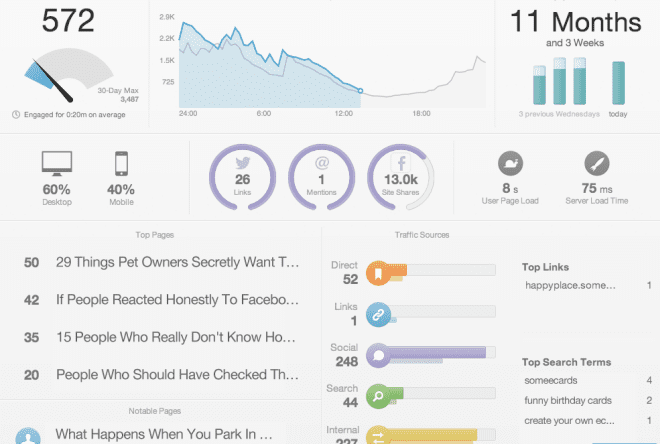
Analytics Dashboard

Utilize analytics tools to gain invaluable insights into your website’s performance. Google Analytics is a robust tool providing information on user behavior, traffic sources, and conversion rates. Track key performance indicators (KPIs) such as bounce rate, time on page, and conversion rates. Below is an example of tracking an event in Google Analytics:

				
					<script>

    gtag('event', 'click', {

      'event_category': 'CTA',

      'event_label': 'Sign Up Button'

    });

  </script>


Leveraging these analytics tools empowers you to make data-driven decisions, continually optimize your website, and refine your strategies for better results.

Ready to take your online presence to the next level and boost your business? Our team is here to turn your dreams into a digital reality! From crafting user-friendly and SEO-optimized websites to devising creative digital marketing strategies, we’ve got you covered. The insights shared in our comprehensive guide are just the beginning—imagine what we can achieve together. Let’s chat about your website development and marketing needs. Reach out today, and let’s make your online journey as exciting and successful as it can be. Your digital adventure starts with a friendly hello from us! 🚀✨

Frequently Asked Questions (FAQ)

What are the essential metrics to monitor in Google Analytics?

Key metrics in Google Analytics include bounce rate, time on page, pageviews, and conversion rates. Additionally, analyze traffic sources, user demographics, and behavior flow. These metrics provide insights into user engagement, the effectiveness of your content, and areas for improvement.

How can I measure the success of my email marketing campaigns?

Success in email marketing can be measured through key metrics like open rates, click-through rates, conversion rates, and the overall growth of your subscriber list. Use these metrics to refine your strategies, test different approaches, and continually improve the effectiveness of your campaigns.

Should I prioritize desktop or mobile optimization?

Both desktop and mobile optimization are crucial. Google prioritizes mobile-friendly sites, but desktop users still exist. Ensure a responsive design that adapts seamlessly to various devices. Regularly test and optimize for both desktop and mobile experiences.

What’s the ideal frequency for updating website content?

Regular updates are essential for SEO, but there’s no one-size-fits-all frequency. It depends on your industry, content type, and audience. Strive for consistency and focus on quality. Monitor engagement metrics to gauge the optimal content update frequency.

Are all backlinks equally valuable?

No, not all backlinks are equal. High-quality backlinks from authoritative and relevant websites carry more weight than low-quality or spammy ones. Focus on earning backlinks from reputable sources within your industry to build credibility and improve SEO.

Can I use the same keywords for every piece of content on my website?

While core keywords may remain consistent across your site, it’s essential to diversify and use variations. Tailor keywords to specific content and audience intent. This approach not only improves SEO but also enhances the relevance of your content to different user queries.

How long does it take to see results from SEO efforts?

SEO is an ongoing process, and the timeline for results can vary. While some improvements may be noticeable in a few weeks, significant changes may take several months. Consistent efforts in content creation, optimization, and link building contribute to long-term success.

pexels-mikael-blomkvist-6476266 copy

The Future of Web Design: Modern Strategies to Convert Visitors into Clients

In the fast-paced digital landscape of 2026, a website is no longer just a digital brochure; it is your most powerful sales engine. To capture attention and convert prospects in a market saturated with AI-generated content, your design must move beyond aesthetic trends and prioritize behavior-driven outcomes. If your digital presence feels static, slow, or generic, you are effectively paying to lose customers.

To help your business thrive, we’ve analyzed the shifts in modern web design and compiled the definitive strategies that are currently driving high-intent conversions.

1. The Power of “Agentic” Design

We are entering the era of the agentic web. Users no longer want to click through ten pages to find information; they want the website to do the heavy lifting for them. This means moving away from static information architectures toward dynamic, responsive journeys. An agentic website anticipates the user’s needs by utilizing intelligent sorting, personalized paths based on traffic source, and adaptive navigation. By streamlining the path to a specific action—whether it’s booking a call or requesting a quote—you remove the friction that typically leads to bounce rates.

  • Actionable insight: Integrate conversational elements or smart filtering that allows users to find exactly what they need in under three clicks.
  • Need help building an intelligent user journey? Explore our Custom Web Development services.

2. Micro-Animations and Functional Motion

In 2026, motion is no longer about decoration; it is about cognitive clarity. High-converting websites use subtle, purposeful animations to guide the user’s eye and provide feedback for every interaction. When a user hovers over a button, scrolls through a section, or submits a form, they should receive immediate, fluid visual confirmation. This “functional motion” builds trust, reinforces that the system is working, and makes your brand feel premium and responsive.

  • The Psychological Edge: These interactions create a “delight” factor that distinguishes a professional agency build from a generic website template.
  • Learn how we bake sophisticated interaction into every build via our UX/UI Design expertise.

3. Radical Accessibility as a Growth Lever

Accessibility (A11y) is often misunderstood as a compliance checkbox. In reality, it is a primary driver of conversion. When you design for inclusivity—using high-contrast ratios, logical hierarchy for screen readers, and keyboard-friendly navigation—you are effectively removing barriers for all users. A site that is easy to navigate for someone with a visual impairment is, by definition, easier to navigate for everyone. Google’s current algorithms heavily favor sites that offer this level of usability, directly impacting your search rankings.

  • The Bottom Line: An accessible site is a more usable site, and usability is the direct precursor to conversion.

4. Performance-First Creativity

We’ve moved past the phase where designers sacrificed speed for visual grandeur. In 2026, performance is the aesthetic. Users and search engines have zero patience for “resource-heavy” sites that struggle to load. High-converting designs today utilize efficient, clean code, optimized media delivery, and lazy-loading techniques to ensure the site is nearly instantaneous. This “performance-first” approach keeps users engaged longer, dramatically increasing the probability of a conversion.

5. Hyper-Personalization and Data-Driven Layouts

Modern users are wary of generic, “one-size-fits-all” marketing. They respond to content that speaks to their specific context. By leveraging data-driven design, you can dynamically update headlines, testimonials, and service offerings based on where the visitor came from. If a user arrives via an ad for “Web Design Services,” the landing page they see should immediately reinforce that specific value proposition. This level of hyper-personalization builds an instant psychological bond, drastically reducing the “cynicism” that often greets standard landing pages.

6. Minimalist Navigation and Cognitive Load

The “less is more” philosophy is the cornerstone of 2026 design. Complex, multi-layered menus are becoming obsolete. Modern high-converting sites utilize simplified, intuitive navigation that reduces the cognitive burden on the visitor. By focusing on a primary “Hero” goal and minimizing distractions, you lead the visitor toward the only thing that matters: your conversion point. Whether it’s a sticky navigation bar that stays with the user as they scroll or a completely “hidden” menu that activates only when needed, the goal is to keep the interface uncluttered and the user focused.

7. Sustainable and Ethical Design

As digital footprints become a larger concern for brands and consumers alike, “Green Web Design” is becoming a competitive advantage. Efficient code and optimized image sizes aren’t just good for SEO—they are good for the planet. Brands that prioritize ethical, energy-efficient web practices are resonating more deeply with modern audiences who value sustainability. When you optimize your site, you are communicating that you are a modern, responsible, and forward-thinking company.

Frequently Asked Questions (FAQ)

Absolutely. While design grabs attention, deep, value-driven long-form content builds the authority and trust required for high-ticket conversions. It signals expertise to both users and search engines.

Start with your "Core Web Vitals." If your site lacks fluid motion, isn't fully accessible, or takes more than two seconds to load, it is likely underperforming.

Yes. Search engines no longer just scan for keywords; they analyze user behavior. High bounce rates and low "dwell time" due to poor design will actively penalize your site’s ability to rank, regardless of your content quality.

Ready to elevate your digital presence?

Trends evolve, but the goal remains the same: converting visitors into loyal clients. Whether you need a ground-up redesign or a targeted optimization strategy, we are here to help.

SEO Optimization Process

Maximizing Website Traffic and Organic Leads: A Comprehensive Guide

In the fast-paced world of digital marketing, the success of any business hinges on a captivating online presence. As a leading web design agency, we specialize in transformative white-label solutions that go beyond conventional boundaries, enhancing project delivery and enriching the overall client experience. In this article, we’ll explore our collaborative approach, customized solutions, efficient processes, ongoing support, and the intricacies of our five-step process that collectively contribute to the transformative journey of web design within agencies.

Strategic Partnership: Unlocking Synergy for Success

business concern

Our commitment to collaboration forms the cornerstone of our methodology. Recognizing the unique strengths of each agency, we strive to complement these strengths with our specialized web design services. Through strategic partnerships, we seamlessly integrate into your team, aligning our skills with your agency’s objectives.

The collaborative journey begins with an in-depth discovery phase, immersing ourselves in the intricacies of your client’s brand, vision, and goals. This foundational step ensures that our projects not only meet expectations but surpass them, creating a unified approach that resonates with the client’s identity.

Customized Solutions: Tailoring Excellence for Maximum Impact

Person in Black and Gray Long Sleeve Shirt Holding Brown Wooden Board

Understanding the distinct nature of every project, we pride ourselves on delivering customized solutions tailored to the unique needs of your clients. Our seasoned designers adopt a personalized approach, ensuring that each website reflects the individuality and values of the client.

Collaboration extends beyond aesthetics to functionality, user experience, and overall project strategy. Through the fusion of your agency’s expertise and our design proficiency, we create synergistic websites that captivate audiences and drive meaningful engagement, setting your clients apart from the competition.

Efficiency and Timely Delivery: Exceeding Expectations on Deadline

Photo of Person Holding Alarm Clock

In the dynamic realm of digital marketing, meeting deadlines is non-negotiable. Recognizing this, our team has honed a process that ensures efficiency without compromising quality. By seamlessly integrating our web design services into your agency’s workflow, we streamline development processes, providing a reliable avenue for meeting project timelines.

Efficiency is not just a promise but a practice. Our skilled professionals, invested in the success of your projects, adopt a meticulous project management approach. Open communication channels, regular updates, and insightful feedback ensure that the project stays on course, resulting in exceptional websites delivered on time.

Continuous Learning and Innovation: Navigating the Digital Horizon

Full body silhouette of anonymous person standing on slope at sunset and using remote control for operating drone

The digital landscape is ever-evolving, requiring a commitment to continuous learning and innovation. Our team stays at the forefront of design trends, technological advancements, and industry best practices. By infusing our knowledge with your agency’s expertise, we not only meet current standards but anticipate future trends.

Our commitment extends beyond individual projects; through collaborative workshops and ongoing communication, we empower your agency with the skills and insights needed to navigate the dynamic digital landscape successfully.

Ongoing Support: Sustaining Excellence Beyond Launch

Asian man helping friend to get up from ground

Our commitment to your agency doesn’t end at project completion. Recognizing that training might not be the best fit for every client, we pivot our focus to ongoing support. Post-launch, we provide continuous assistance, addressing technical issues promptly, implementing regular security updates, and offering proactive recommendations for enhancements based on industry trends.

Our Five-Step Process: The Blueprint for Success

1. Comprehensive Discovery Phase

Understand the client’s brand, goals, and target audience.

2. Strategic Planning and Collaboration

Align agency and client expectations, establish project milestones.

3. Iterative Design and Feedback Loops

Create a design that aligns with the client’s vision and goals.

4. Development and Quality Assurance

Transform approved designs into a functional, high-performance website.

5. Ongoing Support

Provide continuous assistance to ensure the sustained performance of the website.

Our collaborative approach, customized solutions, efficient processes, ongoing support, and the intricacies of our five-step process collectively contribute to the transformative journey of web design within agencies. We are not just a service provider; we are your strategic ally in elevating project delivery standards and enriching the client experience. Embrace the future of web design with a partner who not only understands your agency’s needs but exceeds them.

What to Look for in a Tech Partner While Outsourcing

What to Look for in a Tech Partner While Outsourcing

Outsourcing tech services has become a strategic move for many businesses looking to enhance their capabilities, reduce costs, and focus on core functions. However, choosing the right tech partner is a critical decision that can significantly impact your project’s success. Here are key factors to consider when evaluating potential tech partners.

1. Expertise and Experience: The Bedrock of Success

Web Development Services

In the tech landscape, expertise and experience form the foundation of a successful partnership. Look for a partner with a proven track record in the specific technologies and services your project requires. A seasoned tech partner brings not only technical proficiency but also a deep understanding of industry trends and challenges.

At Optume, we pride ourselves on our team of experienced professionals with a diverse skill set. From website development to custom solutions, our expertise spans a wide range of technologies. Whether you’re looking for innovative solutions or need to revamp existing systems, our team is equipped to handle diverse tech challenges.

2. Scalability: Growing Together

Responsive Website Design

As your business evolves, so should your tech solutions. Choose a tech partner with scalability in mind. A good partner should be able to grow alongside your business, adapting to increased workloads and evolving requirements.

At Optume, we understand the importance of scalability in tech solutions. Our services are designed to be flexible, ensuring that as your business expands, your tech infrastructure seamlessly accommodates the growth.

3. Communication and Collaboration: The Key to Success

Custom Website Development

Smooth communication and effective collaboration are vital for a successful tech partnership. Look for a partner who values transparent and regular communication. Open lines of communication ensure that expectations are aligned, and any potential issues are addressed promptly.

At Optume, we prioritize clear and collaborative communication. Our team works closely with clients to understand their unique needs and goals. Regular updates, progress reports, and interactive discussions are integral parts of our process. We believe in building a partnership where communication is not just a necessity but a strength that fuels project success.

4. Cultural Alignment: Building Strong Connections

Professional Web Design

Beyond technical skills, cultural alignment is often underestimated but can be a decisive factor in a tech partnership. Choose a partner whose values and work culture align with your own. A harmonious working relationship fosters creativity, innovation, and a shared sense of purpose.

Optume places great emphasis on cultural alignment. We understand that each client has a unique organizational culture, and we strive to integrate seamlessly into your work environment. Our collaborative approach ensures that our team becomes an extension of yours, working cohesively towards shared objectives.

5. Security Measures: Safeguarding Your Digital Assets

E-commerce Website Solutions

Security is a paramount concern when entrusting a tech partner with your digital assets. Ensure that your tech partner has robust security measures in place. From data protection to secure coding practices, a reliable partner prioritizes the confidentiality and integrity of your digital infrastructure.

At Optume, we take security seriously. Our team follows industry best practices for data protection, and we implement the latest security protocols to safeguard your digital assets. Our commitment to security extends to every aspect of our services, ensuring that your online presence remains resilient against potential threats.

6. Flexibility in Engagement Models: Tailored to Your Needs

Mobile-Friendly Web Development

Every business has unique requirements, and a good tech partner should offer flexibility in engagement models. Look for a partner that can adapt to your preferred working model. Whether it’s a dedicated team for ongoing support or a project-based approach, flexibility ensures a partnership that aligns with your specific needs.

At Optume, we understand that one size doesn’t fit all. Our engagement models are designed to be flexible, allowing you to choose the approach that best suits your project. Whether you require ongoing website maintenance or a custom development project, our team is ready to align with your preferences.

7. Proactive Problem Solving: Navigating Challenges Together

Affordable Website Design

In the dynamic tech landscape, challenges are inevitable. Choose a tech partner known for proactive problem-solving. A reliable partner not only identifies issues swiftly but also provides solutions that mitigate risks and ensure the smooth progress of your projects.

Optume thrives on proactive problem-solving. Our team is equipped with the expertise to anticipate challenges and address them before they impact your project. We believe in a collaborative approach where challenges become opportunities for innovation and improvement. When you partner with Optume, you gain a team that navigates obstacles with agility and ensures the uninterrupted flow of your digital initiatives.

8. Affordability without Compromising Quality

Best Web Development Company

While cost is a significant factor, it’s essential to strike a balance between affordability and quality. Look for a tech partner that offers cost-effective solutions without compromising on the quality of service. A transparent pricing model and a clear understanding of your budget constraints contribute to a mutually beneficial partnership.

At Optume, we believe in delivering value for your investment. Our pricing models are transparent, ensuring that you get the most out of your budget. Whether it’s website maintenance or custom development projects, we offer cost-effective solutions that prioritize the quality of service and the success of your digital endeavors.

Frequently Asked Questions (FAQ)

What are the essential metrics to monitor in Google Analytics?

Key metrics in Google Analytics include bounce rate, time on page, pageviews, and conversion rates. Additionally, analyze traffic sources, user demographics, and behavior flow. These metrics provide insights into user engagement, the effectiveness of your content, and areas for improvement.

How can I measure the success of my email marketing campaigns?

Success in email marketing can be measured through key metrics like open rates, click-through rates, conversion rates, and the overall growth of your subscriber list. Use these metrics to refine your strategies, test different approaches, and continually improve the effectiveness of your campaigns.

Should I prioritize desktop or mobile optimization?

Both desktop and mobile optimization are crucial. Google prioritizes mobile-friendly sites, but desktop users still exist. Ensure a responsive design that adapts seamlessly to various devices. Regularly test and optimize for both desktop and mobile experiences.

What’s the ideal frequency for updating website content?

Regular updates are essential for SEO, but there’s no one-size-fits-all frequency. It depends on your industry, content type, and audience. Strive for consistency and focus on quality. Monitor engagement metrics to gauge the optimal content update frequency.

Are all backlinks equally valuable?

No, not all backlinks are equal. High-quality backlinks from authoritative and relevant websites carry more weight than low-quality or spammy ones. Focus on earning backlinks from reputable sources within your industry to build credibility and improve SEO.

Can I use the same keywords for every piece of content on my website?

While core keywords may remain consistent across your site, it’s essential to diversify and use variations. Tailor keywords to specific content and audience intent. This approach not only improves SEO but also enhances the relevance of your content to different user queries.

How long does it take to see results from SEO efforts?

SEO is an ongoing process, and the timeline for results can vary. While some improvements may be noticeable in a few weeks, significant changes may take several months. Consistent efforts in content creation, optimization, and link building contribute to long-term success.