

blog4

Need for Speed: Turbo Tips for Lightning-Fast Website Loading

In the dynamic realm of the digital landscape, establishing a robust online presence demands a nuanced understanding of search engine optimization (SEO) and lead generation strategies. Whether you’re a seasoned webmaster or embarking on your digital journey, the following comprehensive guide addresses ten pivotal questions individuals often pose about elevating website traffic and generating organic leads. Each inquiry is unpacked with detailed insights, practical examples, and code snippets where applicable, providing you with a thorough understanding of the intricacies involved.

Article Summary Table

QuestionKey Insights
1. How to optimize my website for search engines?Conduct keyword research, integrate keywords into content, meta tags, and use HTML heading tags. Optimize images with descriptive alt text.
2. What role does content play in driving organic traffic?Regularly update with high-quality content, diversify with media, and encourage social sharing. Embed videos and make content shareable.
3. How important is website speed in SEO and lead generation?Optimize images, leverage browser caching, and use CDNs to improve website speed. Monitor performance with tools like Google’s PageSpeed Insights.
4. What role do backlinks play in organic lead generation?Backlinks are crucial for SEO and credibility. Earn high-quality backlinks through guest posting and shareable content. Regularly monitor and disavow toxic links.
5. How can social media contribute to website traffic and leads?Actively share content on relevant platforms, engage with the audience, and utilize social media advertising. Encourage social sharing for increased visibility.
6. What are the benefits of using long-tail keywords in content?Long-tail keywords attract niche audiences. Incorporate them naturally into content for better targeting. Use tools like Ubersuggest or Ahrefs for keyword research.
7. How can I improve the user experience on my website?Ensure mobile-friendliness, easy navigation, and an appealing design. Optimize layout and design, and streamline conversion processes with clear CTAs.
8. Is it important to have a mobile-responsive website for SEO?Yes, Google prioritizes mobile-friendly sites. Use responsive design principles to adapt to different devices and screen sizes.
9. How can I leverage email marketing to drive website traffic?Build a subscriber list, send personalized emails with clear CTAs, and utilize compelling subject lines. Segment and personalize emails for better engagement.
10. What analytics tools can help track website traffic and performance?Use Google Analytics to track user behavior, traffic sources, and KPIs. Implement event tracking for specific actions on your site. Use the insights for data-driven decision-making.


1. How can I optimize my website for search engines?
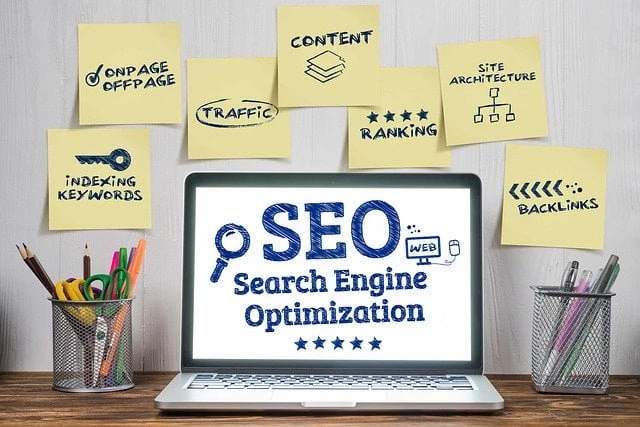
SEO Optimization Process

To initiate your journey into SEO, meticulous keyword research is paramount. Utilize tools like Google Keyword Planner or SEMrush to identify relevant terms in your industry. Incorporate these keywords organically into your content, meta titles, and descriptions. The HTML code snippet below demonstrates effective keyword integration:

				
					<p>Optimize your website for search engines by incorporating relevant keywords.</p>


Additionally, structure your content with HTML heading tags (<h1>, <h2>, etc.) to enhance readability and signal content hierarchy to search engines.

When optimizing images, ensure descriptive alt text is added:

				
					<img decoding="async" src="example.jpg" alt="Descriptive text about the image" title="Need for Speed: Turbo Tips for Lightning-Fast Website Loading 2">


This strategic approach lays the foundation for improved search engine visibility.

2. What role does content play in driving organic traffic?
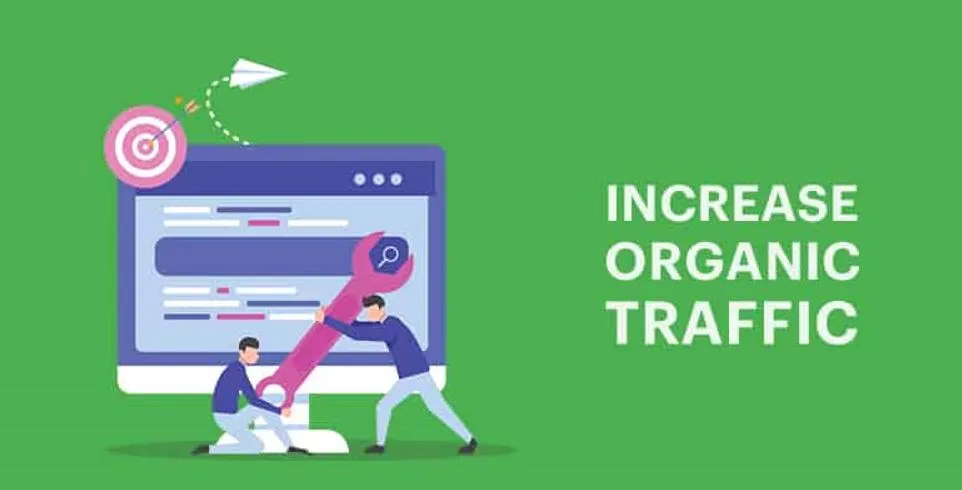
Content Creation Strategy

Compelling content serves as the lifeblood of a successful website. Regular updates with high-quality, relevant content such as blog posts and articles are essential. Diversify your content by incorporating engaging media like images and videos. For example, embed a video seamlessly:

				
					<iframe width="560" height="315" src="https://www.youtube.com/embed/example" frameborder="0" allowfullscreen></iframe>


Facilitate social sharing by adding buttons and encouraging readers to share valuable content. This not only enhances your reach but also contributes to valuable backlinks.

3. How important is website speed in SEO and lead generation?
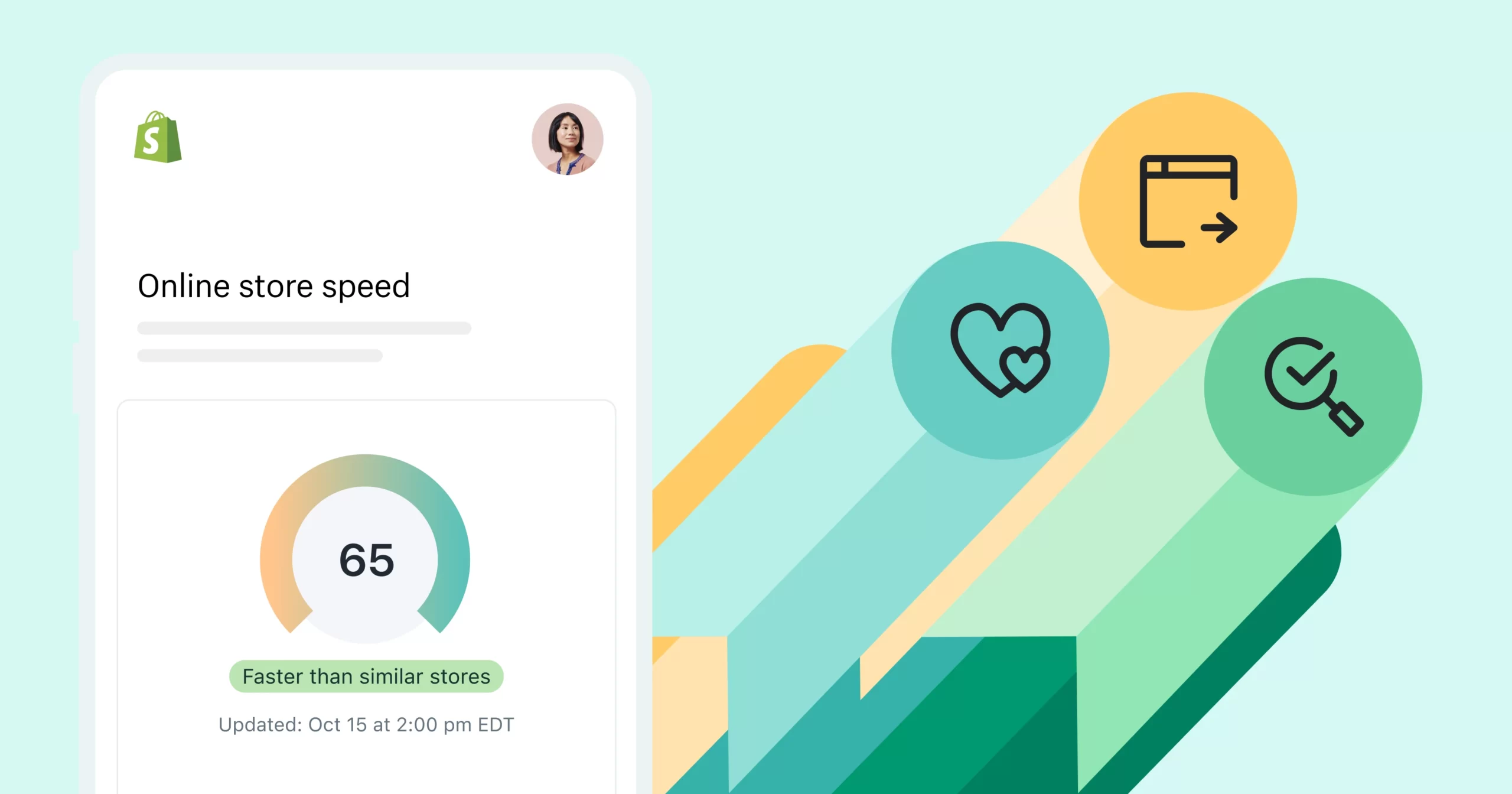
Website speed is a critical factor influencing user experience and SEO rankings. A slow-loading site can lead to higher bounce rates and diminished search engine rankings. Optimize images, leverage browser caching, and employ Content Delivery Networks (CDNs) to enhance load times. The following code snippet exemplifies optimizing images with alt text:

				
					<img decoding="async" src="example.jpg" alt="Descriptive text about the image" title="Need for Speed: Turbo Tips for Lightning-Fast Website Loading 2">


Tools like Google’s PageSpeed Insights offer valuable guidance on further improvements.

4. What role do backlinks play in organic lead generation?
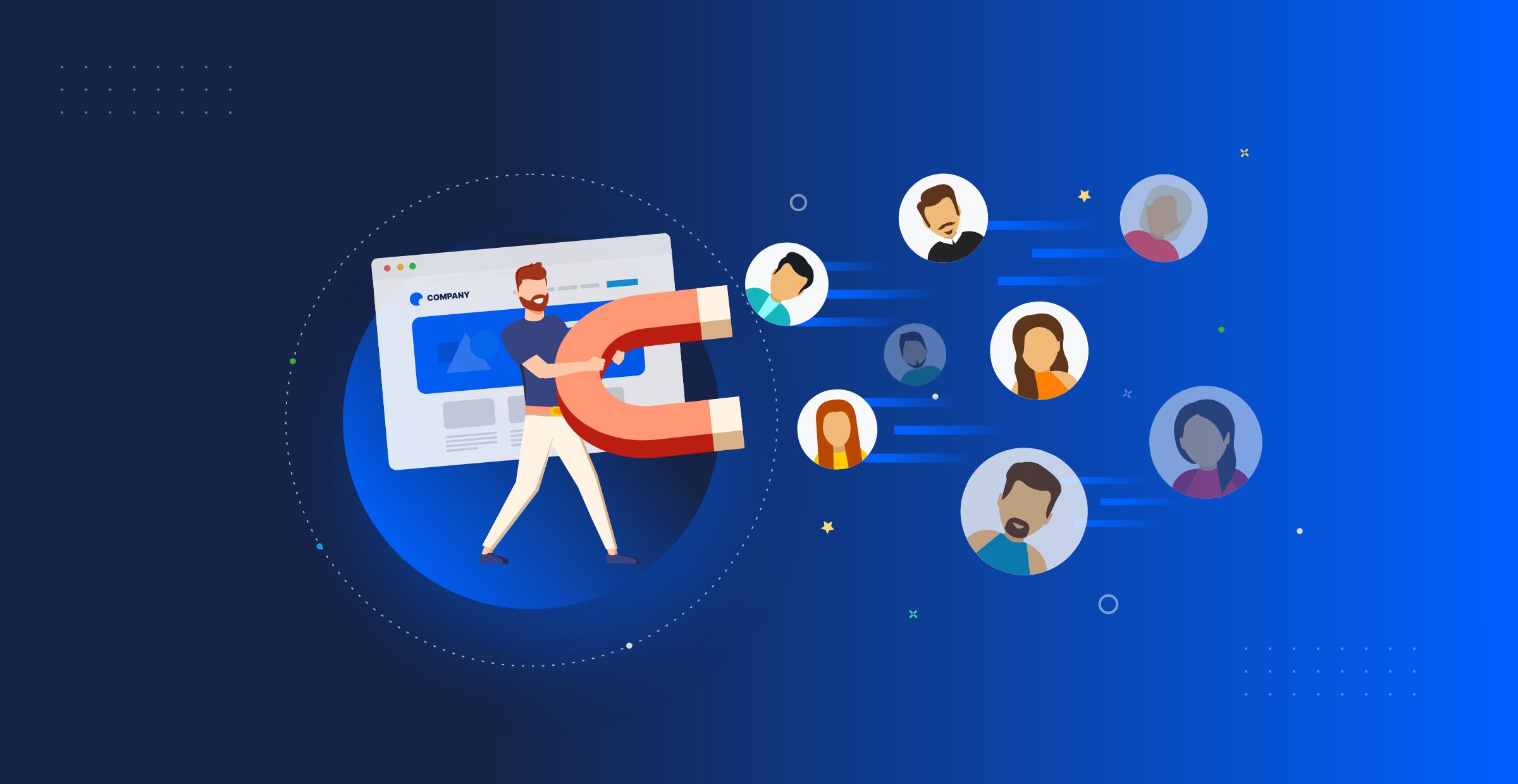
Backlinks are the currency of online credibility. Earning high-quality backlinks from reputable websites in your industry is paramount. Employ strategies such as guest posting and creating shareable content. Regularly monitor your backlink profile using tools like Moz or Ahrefs, addressing toxic links promptly to maintain a healthy link profile.

5. How can social media contribute to website traffic and leads?
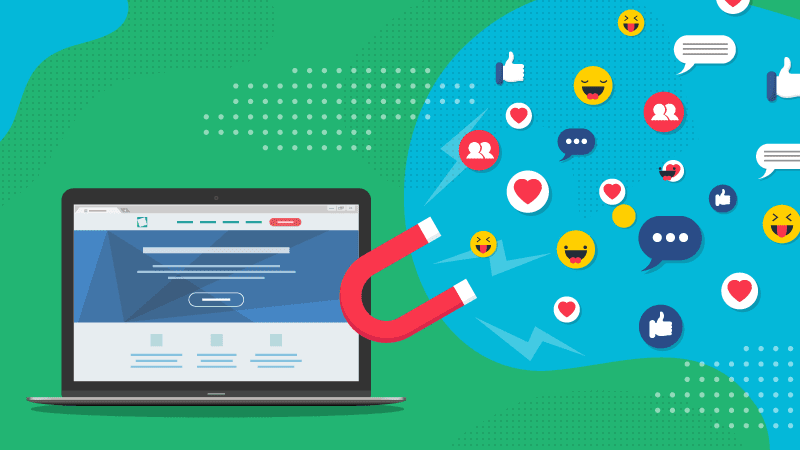
Social media platforms serve as dynamic channels for driving traffic and generating leads. Actively share your content across relevant channels, engaging with your audience and encouraging social sharing. Leverage social media advertising to target specific demographics, directing traffic to your website strategically.

In the following sections, we delve deeper into each of these questions, providing additional insights, examples, and code snippets to empower you in the pursuit of optimizing your website and generating organic leads. Whether you’re looking to ascend search engine rankings or innovate your lead generation approach, this guide equips you with the knowledge needed to fortify your online presence.

6. What are the benefits of using long-tail keywords in content?
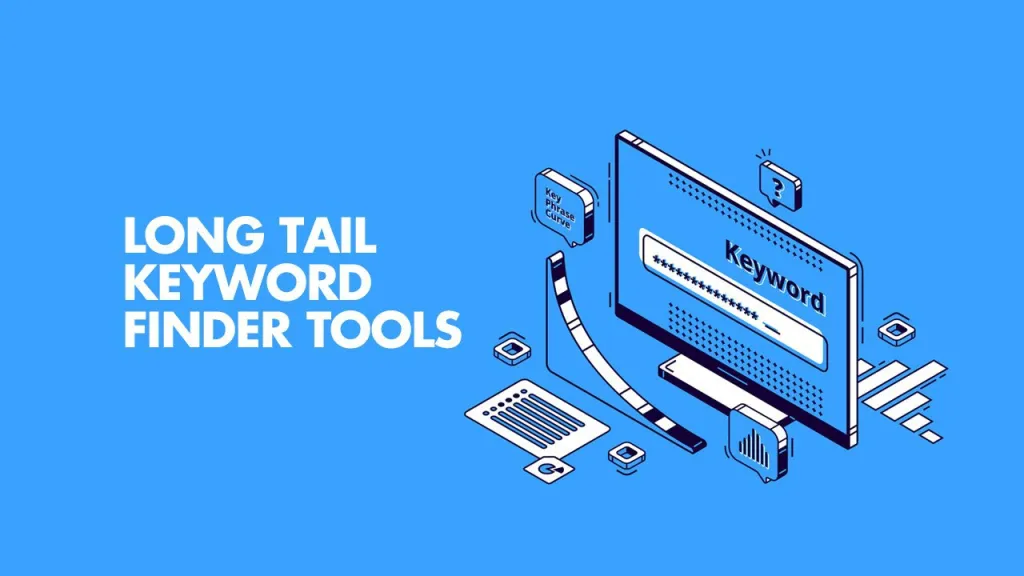
Long-tail keywords, characterized by their specificity, play a crucial role in attracting niche audiences. Integrating these keywords naturally into your content can significantly increase your organic traffic. Conduct thorough keyword research using tools like Ubersuggest or Ahrefs to identify relevant long-tail keywords specific to your industry. Here’s an example of incorporating long-tail keywords into content:


					<p>Captivate niche audiences by incorporating specific long-tail keywords into your content.</p>


By tailoring your content to address the specific needs of your audience, you enhance your chances of ranking higher in targeted search results.

7. How can I imrove the user experience on my website?
User Experience Design

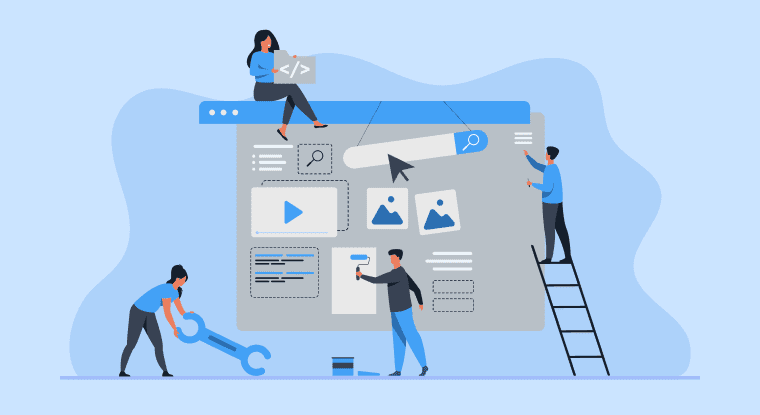
Creating a positive user experience is pivotal for retaining visitors and converting leads. Ensure your website is not only mobile-friendly but also easy to navigate. Optimize your website’s layout and design for clarity, and streamline the conversion process with clear calls-to-action (CTAs). Consider the following HTML for an effective CTA button:

				
					<button type="button">Sign Up Now</button>


Striving for a seamless and intuitive user journey encourages prolonged engagement and increased conversion rates.

8. Is it important to have a mobile-responsive website for SEO?

Mobile-Responsive Website

Absolutely. A mobile-responsive website is a non-negotiable element for SEO success. Google prioritizes mobile-friendly sites in search results, reflecting the growing trend of users accessing the internet on mobile devices. Ensure your website adapts seamlessly to different screen sizes and devices, employing responsive design principles:

				
					<meta name="viewport" content="width=device-width, initial-scale=1.0">


By prioritizing mobile responsiveness, you not only enhance your SEO but also cater to the evolving habits of your audience.

9. How can I leverage email marketing to drive website traffic?
Email Marketing Campaign

Email marketing remains a potent tool for driving repeat traffic and nurturing leads. Build a subscriber list by offering valuable content and incentives. Craft targeted, personalized emails to promote new content, special offers, or updates. A compelling subject line coupled with a clear call-to-action can significantly impact click-through rates. Here’s an example:

				
					<p>Unlock exclusive content! Subscribe to our newsletter now.</p>


Personalization and segmentation further enhance the effectiveness of your email campaigns, fostering a stronger connection with your audience.

10. What analytics tools can help track website traffic and performance?
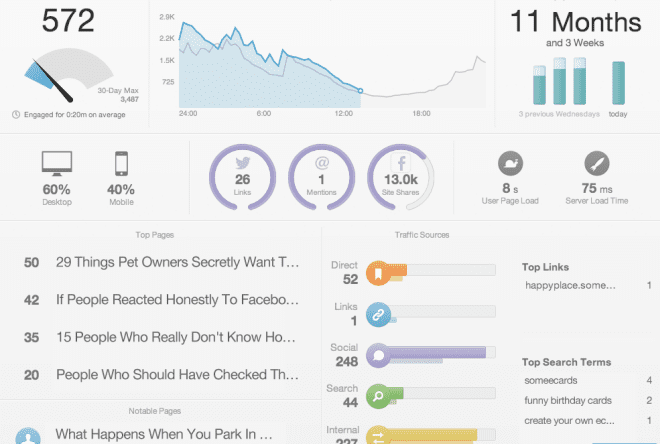
Analytics Dashboard

Utilize analytics tools to gain invaluable insights into your website’s performance. Google Analytics is a robust tool providing information on user behavior, traffic sources, and conversion rates. Track key performance indicators (KPIs) such as bounce rate, time on page, and conversion rates. Below is an example of tracking an event in Google Analytics:

				
					<script>

    gtag('event', 'click', {

      'event_category': 'CTA',

      'event_label': 'Sign Up Button'

    });

  </script>


Leveraging these analytics tools empowers you to make data-driven decisions, continually optimize your website, and refine your strategies for better results.

Ready to take your online presence to the next level and boost your business? Our team is here to turn your dreams into a digital reality! From crafting user-friendly and SEO-optimized websites to devising creative digital marketing strategies, we’ve got you covered. The insights shared in our comprehensive guide are just the beginning—imagine what we can achieve together. Let’s chat about your website development and marketing needs. Reach out today, and let’s make your online journey as exciting and successful as it can be. Your digital adventure starts with a friendly hello from us! 🚀✨

Frequently Asked Questions (FAQ)

What are the essential metrics to monitor in Google Analytics?

Key metrics in Google Analytics include bounce rate, time on page, pageviews, and conversion rates. Additionally, analyze traffic sources, user demographics, and behavior flow. These metrics provide insights into user engagement, the effectiveness of your content, and areas for improvement.

How can I measure the success of my email marketing campaigns?

Success in email marketing can be measured through key metrics like open rates, click-through rates, conversion rates, and the overall growth of your subscriber list. Use these metrics to refine your strategies, test different approaches, and continually improve the effectiveness of your campaigns.

Should I prioritize desktop or mobile optimization?

Both desktop and mobile optimization are crucial. Google prioritizes mobile-friendly sites, but desktop users still exist. Ensure a responsive design that adapts seamlessly to various devices. Regularly test and optimize for both desktop and mobile experiences.

What’s the ideal frequency for updating website content?

Regular updates are essential for SEO, but there’s no one-size-fits-all frequency. It depends on your industry, content type, and audience. Strive for consistency and focus on quality. Monitor engagement metrics to gauge the optimal content update frequency.

Are all backlinks equally valuable?

No, not all backlinks are equal. High-quality backlinks from authoritative and relevant websites carry more weight than low-quality or spammy ones. Focus on earning backlinks from reputable sources within your industry to build credibility and improve SEO.

Can I use the same keywords for every piece of content on my website?

While core keywords may remain consistent across your site, it’s essential to diversify and use variations. Tailor keywords to specific content and audience intent. This approach not only improves SEO but also enhances the relevance of your content to different user queries.

How long does it take to see results from SEO efforts?

SEO is an ongoing process, and the timeline for results can vary. While some improvements may be noticeable in a few weeks, significant changes may take several months. Consistent efforts in content creation, optimization, and link building contribute to long-term success.

pexels-mikael-blomkvist-6476266 copy

The Future of Web Design: Modern Strategies to Convert Visitors into Clients

In the fast-paced digital landscape of 2026, a website is no longer just a digital brochure; it is your most powerful sales engine. To capture attention and convert prospects in a market saturated with AI-generated content, your design must move beyond aesthetic trends and prioritize behavior-driven outcomes. If your digital presence feels static, slow, or generic, you are effectively paying to lose customers.

To help your business thrive, we’ve analyzed the shifts in modern web design and compiled the definitive strategies that are currently driving high-intent conversions.

1. The Power of “Agentic” Design

We are entering the era of the agentic web. Users no longer want to click through ten pages to find information; they want the website to do the heavy lifting for them. This means moving away from static information architectures toward dynamic, responsive journeys. An agentic website anticipates the user’s needs by utilizing intelligent sorting, personalized paths based on traffic source, and adaptive navigation. By streamlining the path to a specific action—whether it’s booking a call or requesting a quote—you remove the friction that typically leads to bounce rates.

  • Actionable insight: Integrate conversational elements or smart filtering that allows users to find exactly what they need in under three clicks.
  • Need help building an intelligent user journey? Explore our Custom Web Development services.

2. Micro-Animations and Functional Motion

In 2026, motion is no longer about decoration; it is about cognitive clarity. High-converting websites use subtle, purposeful animations to guide the user’s eye and provide feedback for every interaction. When a user hovers over a button, scrolls through a section, or submits a form, they should receive immediate, fluid visual confirmation. This “functional motion” builds trust, reinforces that the system is working, and makes your brand feel premium and responsive.

  • The Psychological Edge: These interactions create a “delight” factor that distinguishes a professional agency build from a generic website template.
  • Learn how we bake sophisticated interaction into every build via our UX/UI Design expertise.

3. Radical Accessibility as a Growth Lever

Accessibility (A11y) is often misunderstood as a compliance checkbox. In reality, it is a primary driver of conversion. When you design for inclusivity—using high-contrast ratios, logical hierarchy for screen readers, and keyboard-friendly navigation—you are effectively removing barriers for all users. A site that is easy to navigate for someone with a visual impairment is, by definition, easier to navigate for everyone. Google’s current algorithms heavily favor sites that offer this level of usability, directly impacting your search rankings.

  • The Bottom Line: An accessible site is a more usable site, and usability is the direct precursor to conversion.

4. Performance-First Creativity

We’ve moved past the phase where designers sacrificed speed for visual grandeur. In 2026, performance is the aesthetic. Users and search engines have zero patience for “resource-heavy” sites that struggle to load. High-converting designs today utilize efficient, clean code, optimized media delivery, and lazy-loading techniques to ensure the site is nearly instantaneous. This “performance-first” approach keeps users engaged longer, dramatically increasing the probability of a conversion.

5. Hyper-Personalization and Data-Driven Layouts

Modern users are wary of generic, “one-size-fits-all” marketing. They respond to content that speaks to their specific context. By leveraging data-driven design, you can dynamically update headlines, testimonials, and service offerings based on where the visitor came from. If a user arrives via an ad for “Web Design Services,” the landing page they see should immediately reinforce that specific value proposition. This level of hyper-personalization builds an instant psychological bond, drastically reducing the “cynicism” that often greets standard landing pages.

6. Minimalist Navigation and Cognitive Load

The “less is more” philosophy is the cornerstone of 2026 design. Complex, multi-layered menus are becoming obsolete. Modern high-converting sites utilize simplified, intuitive navigation that reduces the cognitive burden on the visitor. By focusing on a primary “Hero” goal and minimizing distractions, you lead the visitor toward the only thing that matters: your conversion point. Whether it’s a sticky navigation bar that stays with the user as they scroll or a completely “hidden” menu that activates only when needed, the goal is to keep the interface uncluttered and the user focused.

7. Sustainable and Ethical Design

As digital footprints become a larger concern for brands and consumers alike, “Green Web Design” is becoming a competitive advantage. Efficient code and optimized image sizes aren’t just good for SEO—they are good for the planet. Brands that prioritize ethical, energy-efficient web practices are resonating more deeply with modern audiences who value sustainability. When you optimize your site, you are communicating that you are a modern, responsible, and forward-thinking company.

Frequently Asked Questions (FAQ)

Absolutely. While design grabs attention, deep, value-driven long-form content builds the authority and trust required for high-ticket conversions. It signals expertise to both users and search engines.

Start with your "Core Web Vitals." If your site lacks fluid motion, isn't fully accessible, or takes more than two seconds to load, it is likely underperforming.

Yes. Search engines no longer just scan for keywords; they analyze user behavior. High bounce rates and low "dwell time" due to poor design will actively penalize your site’s ability to rank, regardless of your content quality.

Ready to elevate your digital presence?

Trends evolve, but the goal remains the same: converting visitors into loyal clients. Whether you need a ground-up redesign or a targeted optimization strategy, we are here to help.

SEO Optimization Process

Maximizing Website Traffic and Organic Leads: A Comprehensive Guide

In the fast-paced world of digital marketing, the success of any business hinges on a captivating online presence. As a leading web design agency, we specialize in transformative white-label solutions that go beyond conventional boundaries, enhancing project delivery and enriching the overall client experience. In this article, we’ll explore our collaborative approach, customized solutions, efficient processes, ongoing support, and the intricacies of our five-step process that collectively contribute to the transformative journey of web design within agencies.

Strategic Partnership: Unlocking Synergy for Success

business concern

Our commitment to collaboration forms the cornerstone of our methodology. Recognizing the unique strengths of each agency, we strive to complement these strengths with our specialized web design services. Through strategic partnerships, we seamlessly integrate into your team, aligning our skills with your agency’s objectives.

The collaborative journey begins with an in-depth discovery phase, immersing ourselves in the intricacies of your client’s brand, vision, and goals. This foundational step ensures that our projects not only meet expectations but surpass them, creating a unified approach that resonates with the client’s identity.

Customized Solutions: Tailoring Excellence for Maximum Impact

Person in Black and Gray Long Sleeve Shirt Holding Brown Wooden Board

Understanding the distinct nature of every project, we pride ourselves on delivering customized solutions tailored to the unique needs of your clients. Our seasoned designers adopt a personalized approach, ensuring that each website reflects the individuality and values of the client.

Collaboration extends beyond aesthetics to functionality, user experience, and overall project strategy. Through the fusion of your agency’s expertise and our design proficiency, we create synergistic websites that captivate audiences and drive meaningful engagement, setting your clients apart from the competition.

Efficiency and Timely Delivery: Exceeding Expectations on Deadline

Photo of Person Holding Alarm Clock

In the dynamic realm of digital marketing, meeting deadlines is non-negotiable. Recognizing this, our team has honed a process that ensures efficiency without compromising quality. By seamlessly integrating our web design services into your agency’s workflow, we streamline development processes, providing a reliable avenue for meeting project timelines.

Efficiency is not just a promise but a practice. Our skilled professionals, invested in the success of your projects, adopt a meticulous project management approach. Open communication channels, regular updates, and insightful feedback ensure that the project stays on course, resulting in exceptional websites delivered on time.

Continuous Learning and Innovation: Navigating the Digital Horizon

Full body silhouette of anonymous person standing on slope at sunset and using remote control for operating drone

The digital landscape is ever-evolving, requiring a commitment to continuous learning and innovation. Our team stays at the forefront of design trends, technological advancements, and industry best practices. By infusing our knowledge with your agency’s expertise, we not only meet current standards but anticipate future trends.

Our commitment extends beyond individual projects; through collaborative workshops and ongoing communication, we empower your agency with the skills and insights needed to navigate the dynamic digital landscape successfully.

Ongoing Support: Sustaining Excellence Beyond Launch

Asian man helping friend to get up from ground

Our commitment to your agency doesn’t end at project completion. Recognizing that training might not be the best fit for every client, we pivot our focus to ongoing support. Post-launch, we provide continuous assistance, addressing technical issues promptly, implementing regular security updates, and offering proactive recommendations for enhancements based on industry trends.

Our Five-Step Process: The Blueprint for Success

1. Comprehensive Discovery Phase

Understand the client’s brand, goals, and target audience.

2. Strategic Planning and Collaboration

Align agency and client expectations, establish project milestones.

3. Iterative Design and Feedback Loops

Create a design that aligns with the client’s vision and goals.

4. Development and Quality Assurance

Transform approved designs into a functional, high-performance website.

5. Ongoing Support

Provide continuous assistance to ensure the sustained performance of the website.

Our collaborative approach, customized solutions, efficient processes, ongoing support, and the intricacies of our five-step process collectively contribute to the transformative journey of web design within agencies. We are not just a service provider; we are your strategic ally in elevating project delivery standards and enriching the client experience. Embrace the future of web design with a partner who not only understands your agency’s needs but exceeds them.