


In the fast-paced digital landscape of 2026, a website is no longer just a digital brochure; it is your most powerful sales engine. To capture attention and convert prospects in a market saturated with AI-generated content, your design must move beyond aesthetic trends and prioritize behavior-driven outcomes. If your digital presence feels static, slow, or generic, you are effectively paying to lose customers.
To help your business thrive, we’ve analyzed the shifts in modern web design and compiled the definitive strategies that are currently driving high-intent conversions.
1. The Power of “Agentic” Design
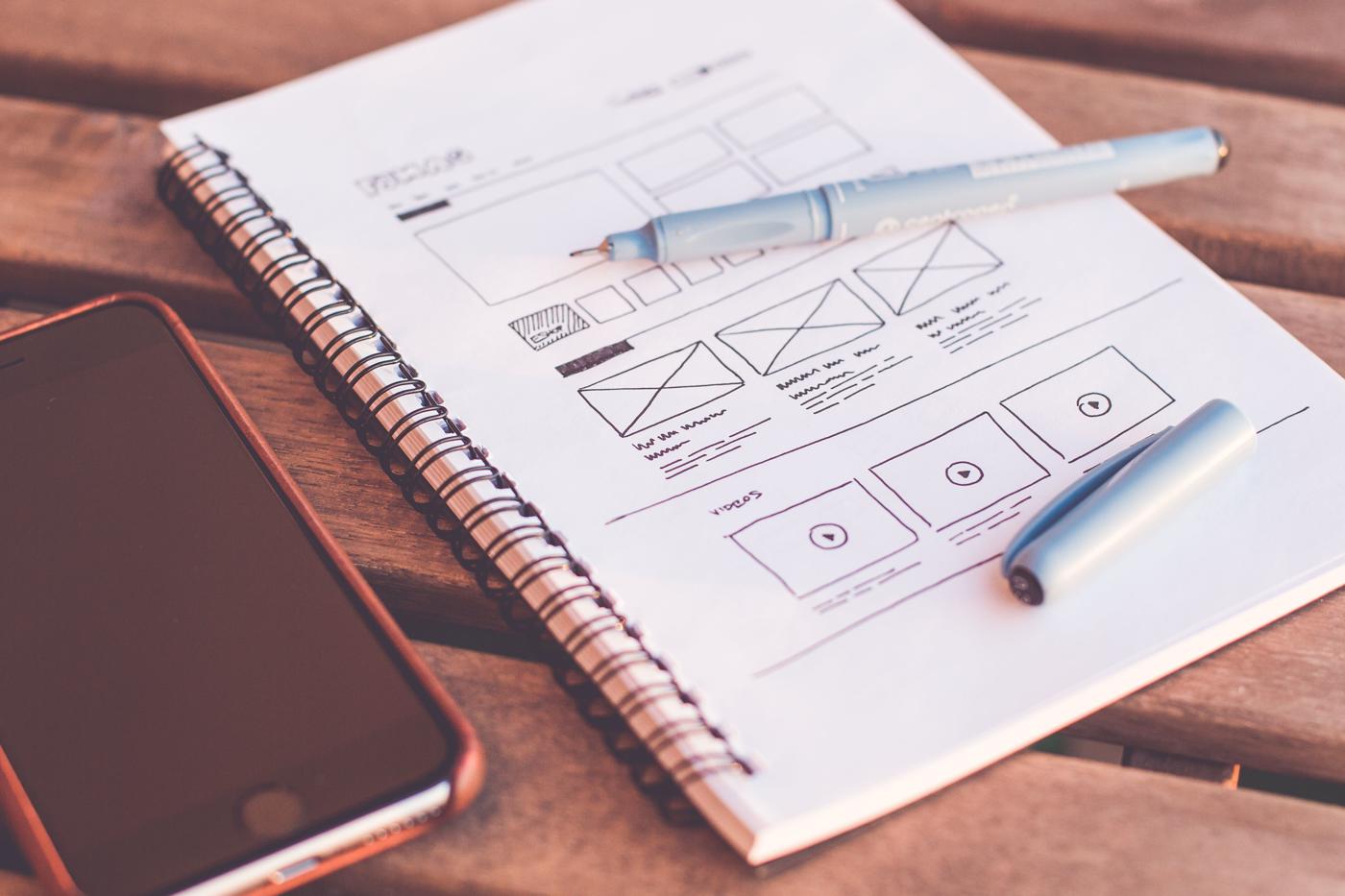
We are entering the era of the agentic web. Users no longer want to click through ten pages to find information; they want the website to do the heavy lifting for them. This means moving away from static information architectures toward dynamic, responsive journeys. An agentic website anticipates the user’s needs by utilizing intelligent sorting, personalized paths based on traffic source, and adaptive navigation. By streamlining the path to a specific action—whether it’s booking a call or requesting a quote—you remove the friction that typically leads to bounce rates.
- Actionable insight: Integrate conversational elements or smart filtering that allows users to find exactly what they need in under three clicks.
- Need help building an intelligent user journey? Explore our Custom Web Development services.
2. Micro-Animations and Functional Motion

In 2026, motion is no longer about decoration; it is about cognitive clarity. High-converting websites use subtle, purposeful animations to guide the user’s eye and provide feedback for every interaction. When a user hovers over a button, scrolls through a section, or submits a form, they should receive immediate, fluid visual confirmation. This “functional motion” builds trust, reinforces that the system is working, and makes your brand feel premium and responsive.
- The Psychological Edge: These interactions create a “delight” factor that distinguishes a professional agency build from a generic website template.
- Learn how we bake sophisticated interaction into every build via our UX/UI Design expertise.
3. Radical Accessibility as a Growth Lever

Accessibility (A11y) is often misunderstood as a compliance checkbox. In reality, it is a primary driver of conversion. When you design for inclusivity—using high-contrast ratios, logical hierarchy for screen readers, and keyboard-friendly navigation—you are effectively removing barriers for all users. A site that is easy to navigate for someone with a visual impairment is, by definition, easier to navigate for everyone. Google’s current algorithms heavily favor sites that offer this level of usability, directly impacting your search rankings.
- The Bottom Line: An accessible site is a more usable site, and usability is the direct precursor to conversion.
4. Performance-First Creativity

We’ve moved past the phase where designers sacrificed speed for visual grandeur. In 2026, performance is the aesthetic. Users and search engines have zero patience for “resource-heavy” sites that struggle to load. High-converting designs today utilize efficient, clean code, optimized media delivery, and lazy-loading techniques to ensure the site is nearly instantaneous. This “performance-first” approach keeps users engaged longer, dramatically increasing the probability of a conversion.
- Struggling with page speed? Check out our Web Maintenance Services to optimize your existing performance metrics.
5. Hyper-Personalization and Data-Driven Layouts

Modern users are wary of generic, “one-size-fits-all” marketing. They respond to content that speaks to their specific context. By leveraging data-driven design, you can dynamically update headlines, testimonials, and service offerings based on where the visitor came from. If a user arrives via an ad for “Web Design Services,” the landing page they see should immediately reinforce that specific value proposition. This level of hyper-personalization builds an instant psychological bond, drastically reducing the “cynicism” that often greets standard landing pages.
6. Minimalist Navigation and Cognitive Load
The “less is more” philosophy is the cornerstone of 2026 design. Complex, multi-layered menus are becoming obsolete. Modern high-converting sites utilize simplified, intuitive navigation that reduces the cognitive burden on the visitor. By focusing on a primary “Hero” goal and minimizing distractions, you lead the visitor toward the only thing that matters: your conversion point. Whether it’s a sticky navigation bar that stays with the user as they scroll or a completely “hidden” menu that activates only when needed, the goal is to keep the interface uncluttered and the user focused.
7. Sustainable and Ethical Design

As digital footprints become a larger concern for brands and consumers alike, “Green Web Design” is becoming a competitive advantage. Efficient code and optimized image sizes aren’t just good for SEO—they are good for the planet. Brands that prioritize ethical, energy-efficient web practices are resonating more deeply with modern audiences who value sustainability. When you optimize your site, you are communicating that you are a modern, responsible, and forward-thinking company.